

(YYC) Calgary Airport Trail Tunnel
Alberta
Date: 2013

Calgary Airport Trail Tunnel Receives RWS-Rated Expansion Joints and Tunnel Roof Fire Protection
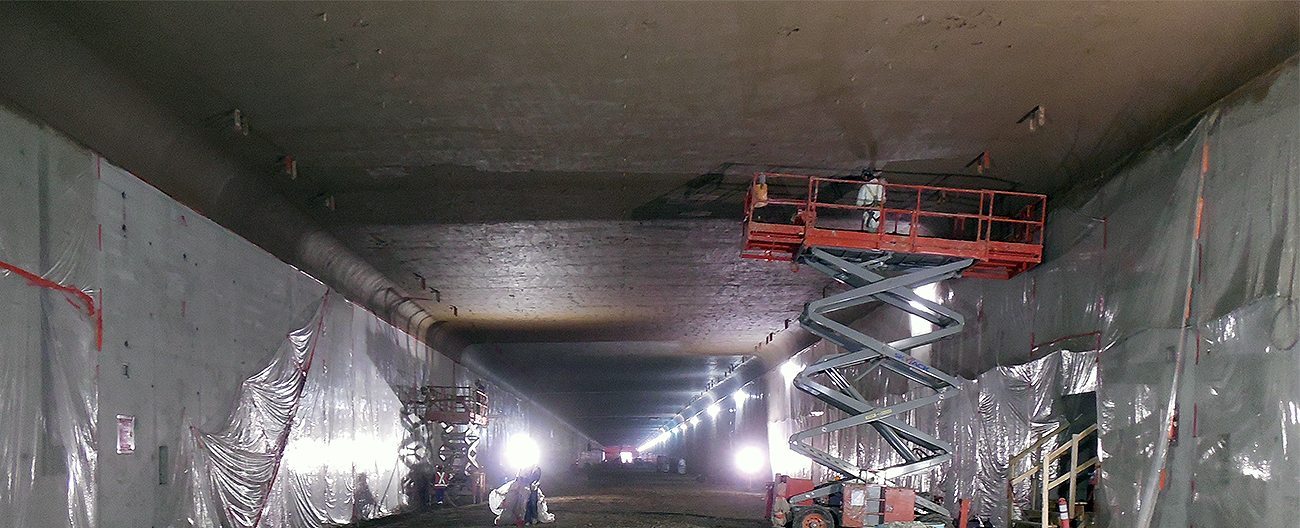
Calgary, Alberta, Canada — The $294.8 million Airport Trail Tunnel carries people, goods, and services beneath Calgary International Airport, passing partially under active runways and taxiways. The tunnel is also used by fuel tankers, introducing the risk of extreme fire exposure in the event of an accident.
To address this risk, the tunnel design required fire protection capable of withstanding a fuel tanker fire scenario. This condition is simulated by the Rijkswaterstaat (RWS) time-temperature curve, developed in the Netherlands and widely recognized as the benchmark for tunnel fire resistance under hydrocarbon fire events.
Tunnel Roof Fireproofing and Expansion Joint Firestopping
The tunnel roof was protected with a spray-applied fireproofing system. While effective across monolithic concrete surfaces, this approach leaves a critical vulnerability at expansion joints, where structural movement creates continuous gaps through the fireproofing layer.
Restoring fire protection continuity and movement capability at the expansion joints was accomplished using Emshield® DFR3, installed based on an engineering judgment to provide three hours of fire resistance. Subsequent product development and testing led to the formalization of this solution into what is now offered as Emshield® TFR-RWS, Sika Emseal’s fire-rated tunnel expansion joint system.
More on the Calgary Trail Tunnel on YouTube

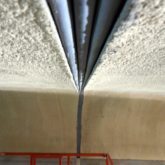
The finished installation of RWS-compliant Emshield DFR3-RWS in the sprayed-on-fireproofing coated concrete tunnel roof.
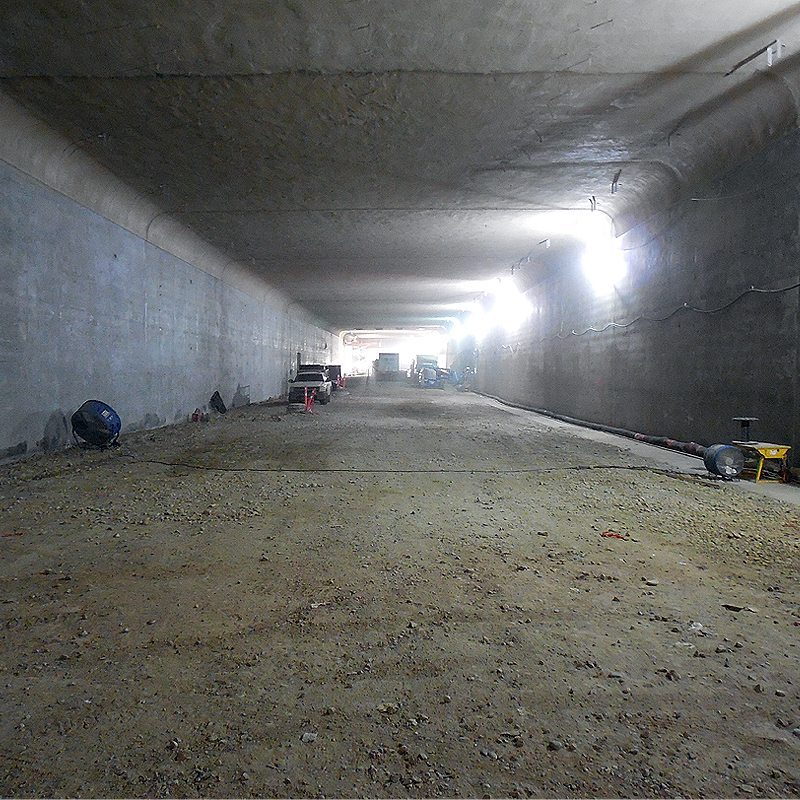
The Airport Trail Tunnel measures 620 meters (2,033 feet) in length. The roof was poured in 50 discrete sections, each requiring continuity of fire protection across expansion joints.
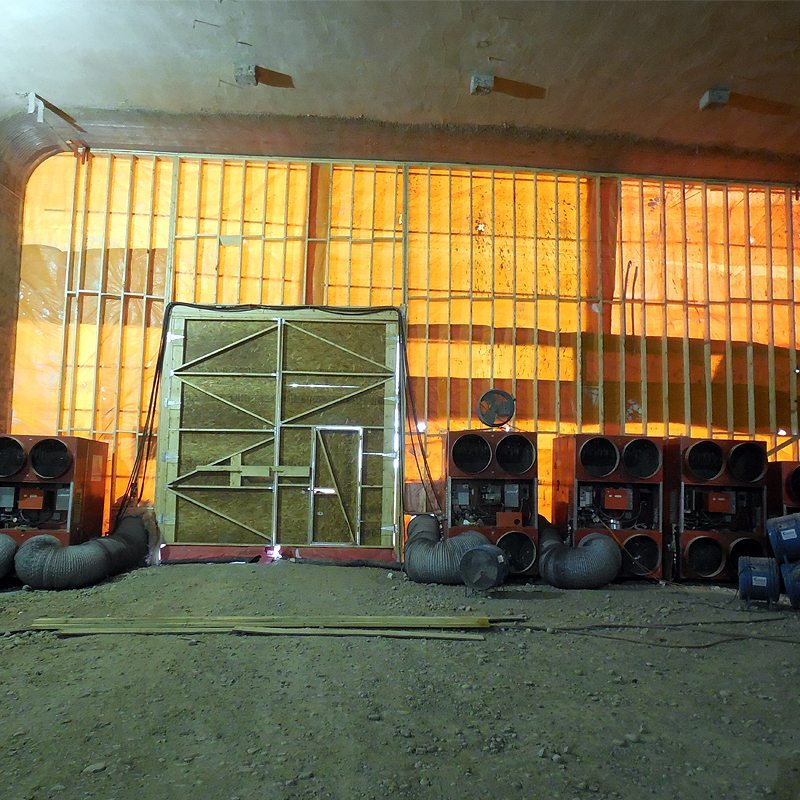
To allow winter installation, the tunnel entrances were sealed and the interior heated using mobile heating units.
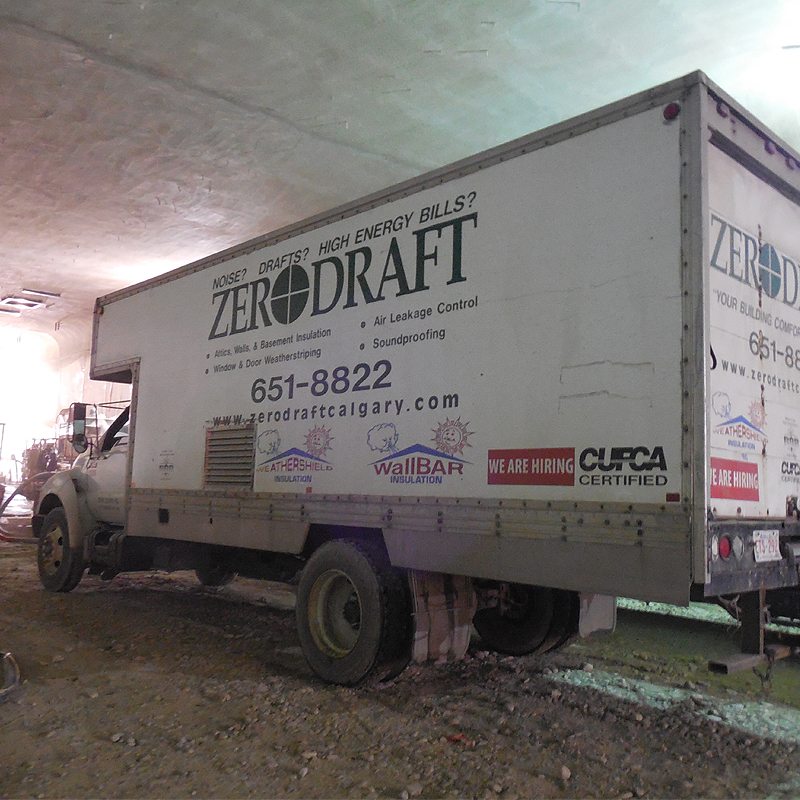
Fireproofing and expansion joint installation were performed by Zerodraft Calgary, a full-service firestopping and waterproofing contractor.
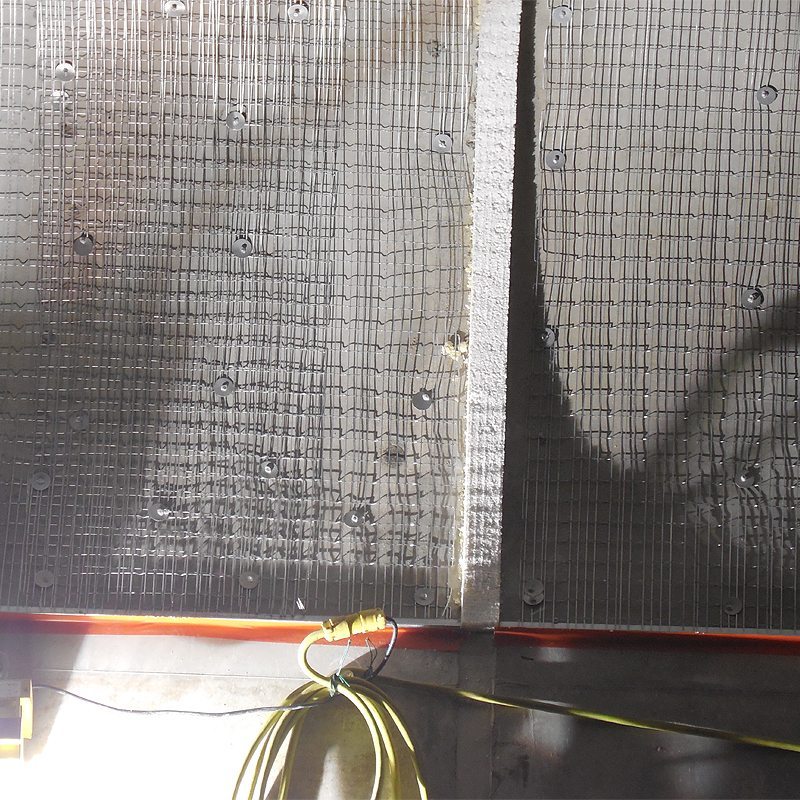
Preparation and Fireproofing Installation
Polystyrene boards were installed within the concrete expansion joint openings to serve as removable forms. Wire mesh reinforcement was then fastened across the tunnel roof to support the spray-applied fireproofing.
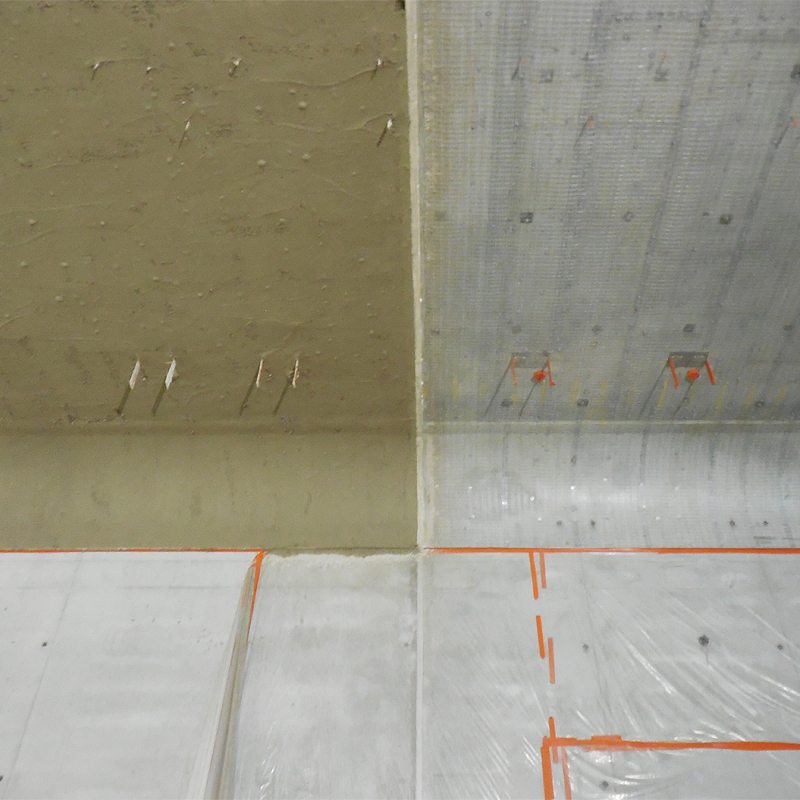
Fireproofing material was sprayed over the mesh and up to the joint forms, fully encapsulating the roof structure.
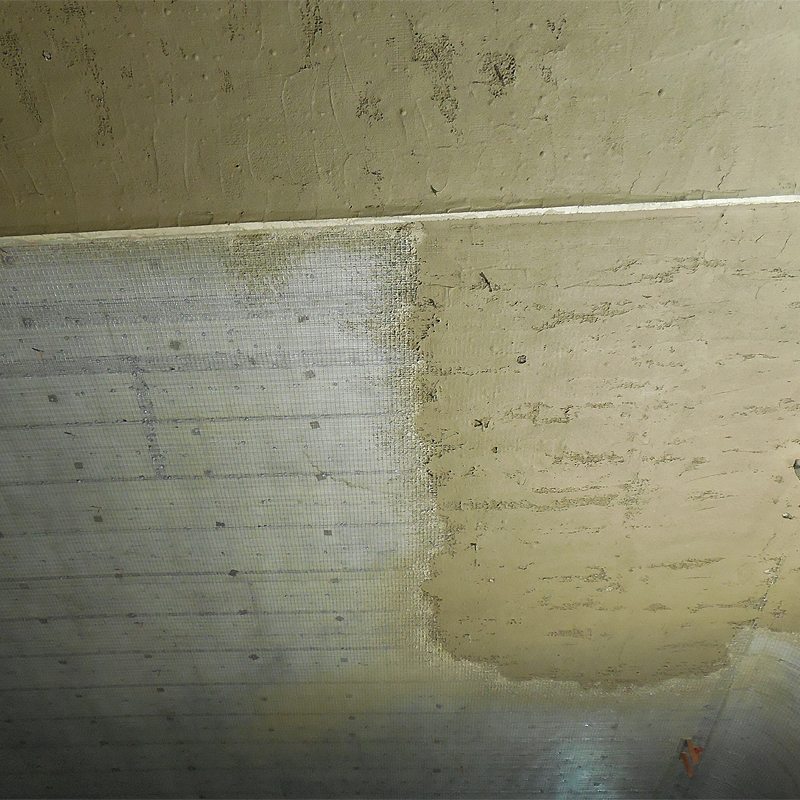
Fireproofing installed up to the formed expansion joint opening in preparation for joint firestopping.
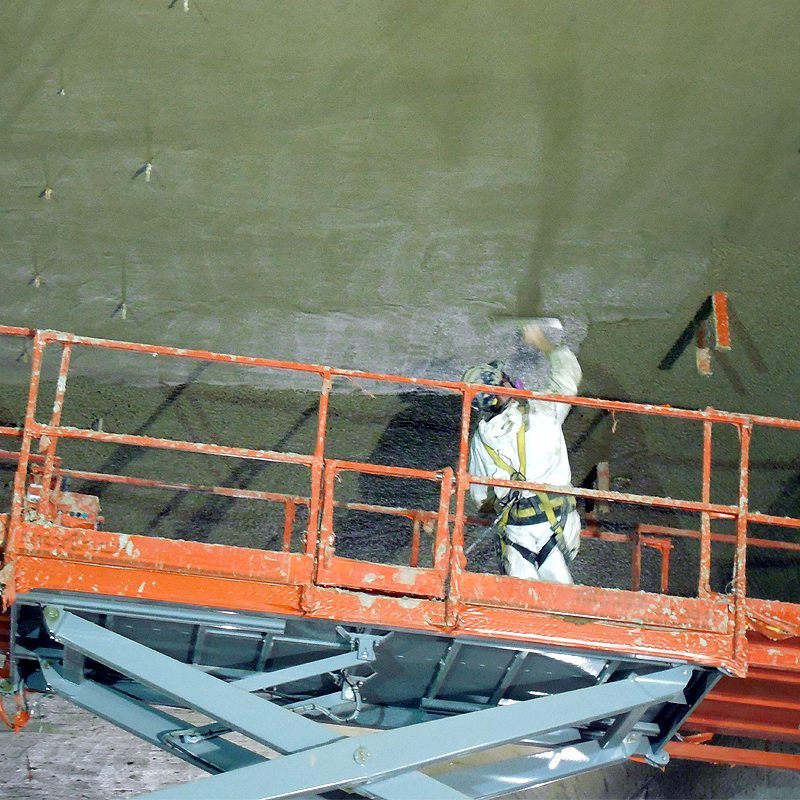
Once applied, the fireproofing was troweled to achieve proper compaction and finish.
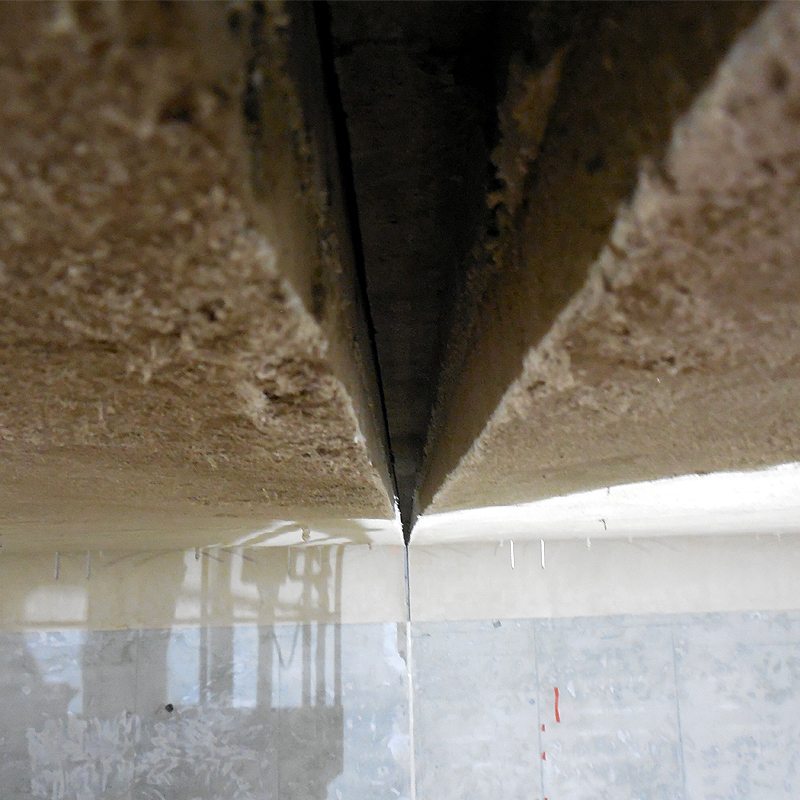
After curing, the polystyrene forms were removed, leaving clean, continuous gaps through the fireproofing aligned with the structural expansion joints.
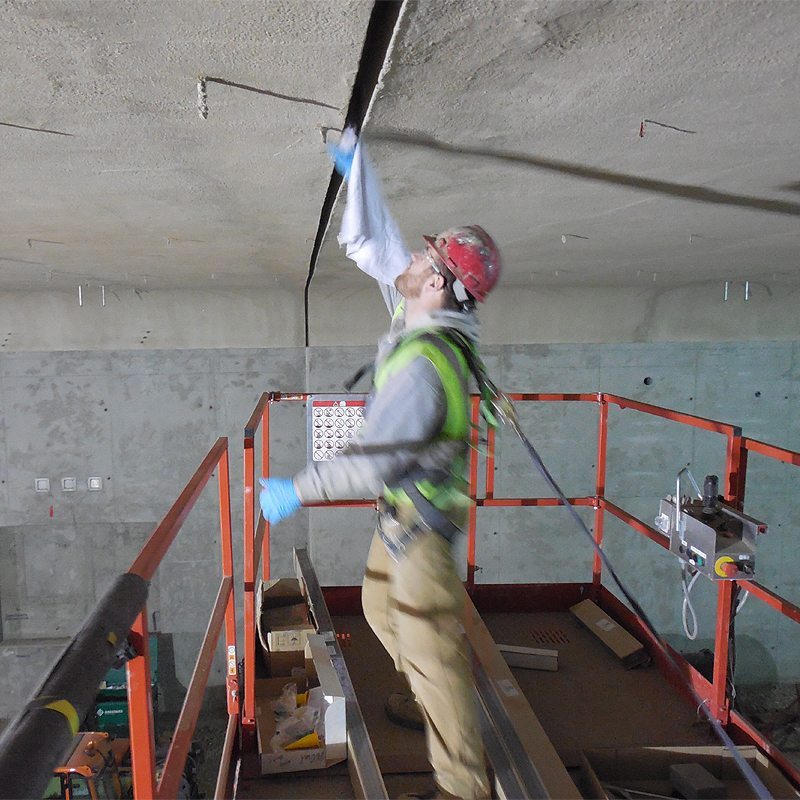
Joint faces were then cleaned using lint-free cloths and acetone to remove dust and fines prior to joint system installation.
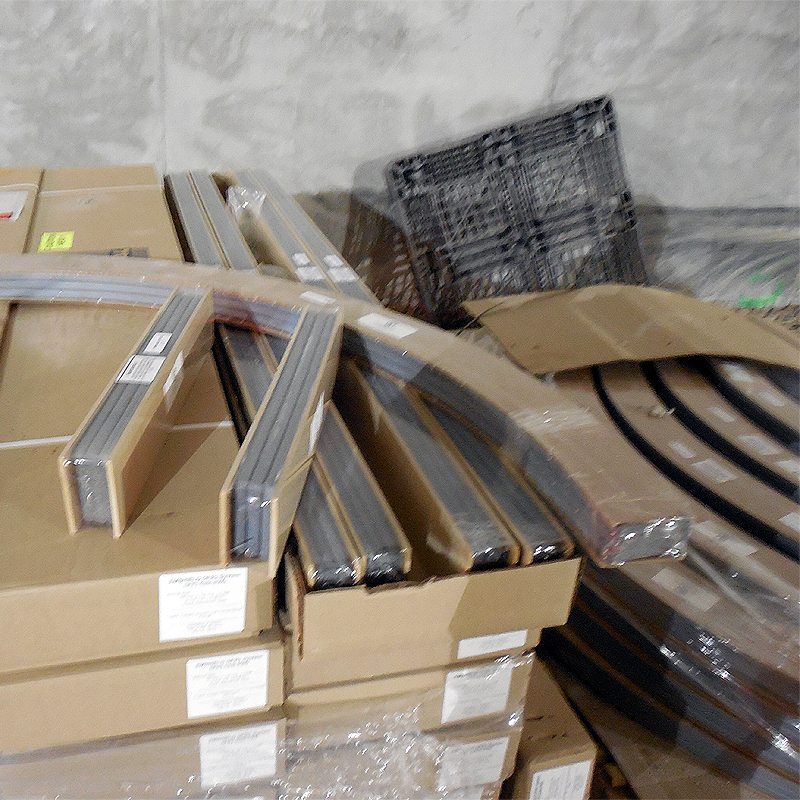
Installation of Emshield DFR3
Emshield DFR3 was supplied in standard 2-meter straight lengths as well as custom-fabricated curved sections to match the tunnel’s roof-to-wall transitions. The material is shipped pre-compressed for ease of installation and expands gradually into a field-applied epoxy adhesive once released from its packaging.
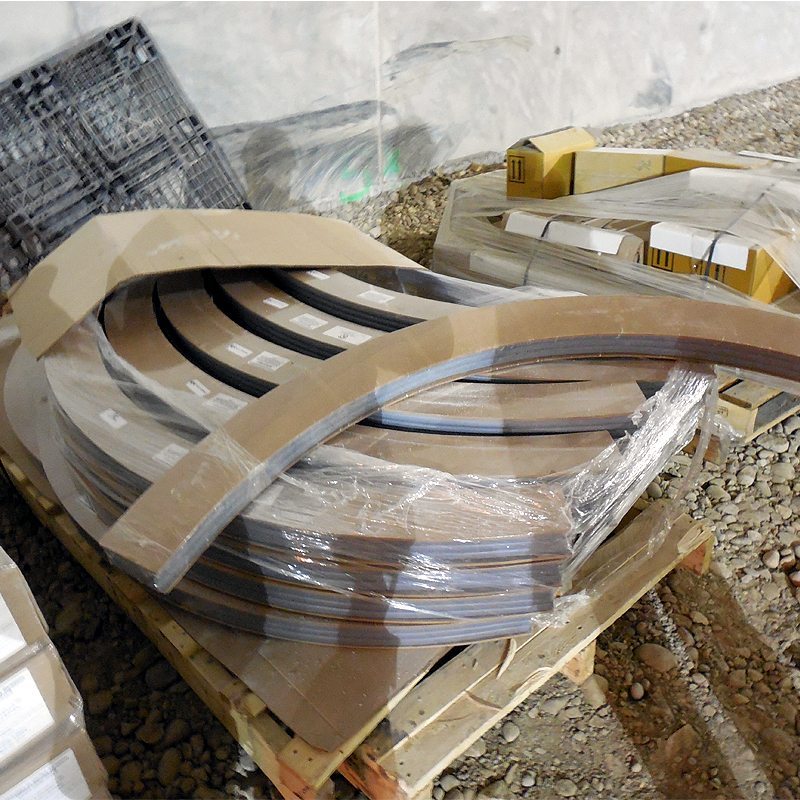
Factory-fabricated curved pieces were used at changes in plane and direction to ensure continuity of seal and fire protection, a core principle of Sika Emseal’s joint treatment philosophy. Universal and custom-fabricated transition and termination pieces from Sika Emseal accommodate all changes in plane and direction while maintaining continuity of seal.
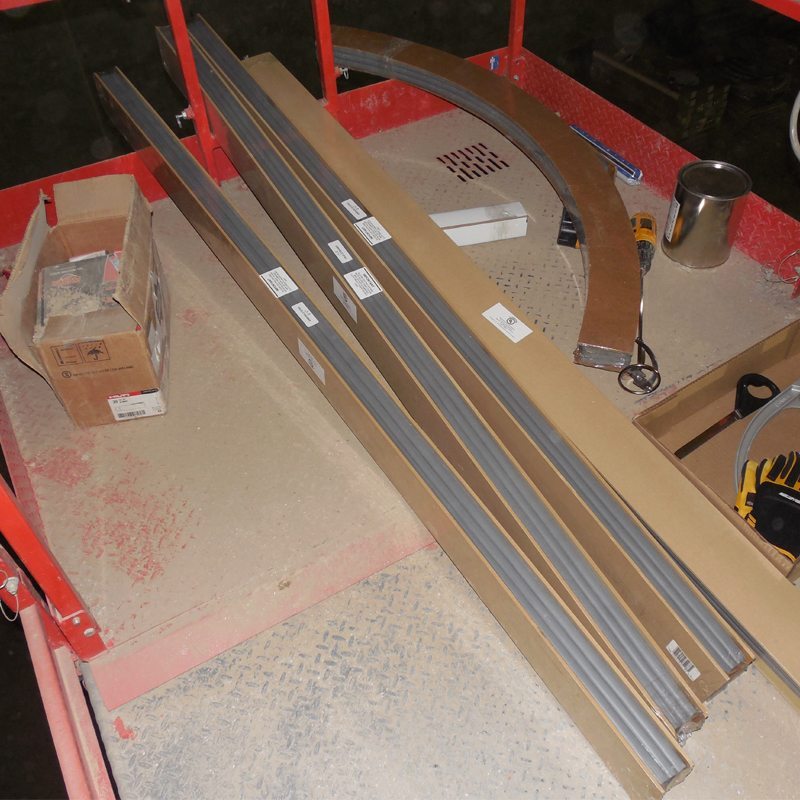
Materials, accessories, and tools for each section were staged on utility lifts.
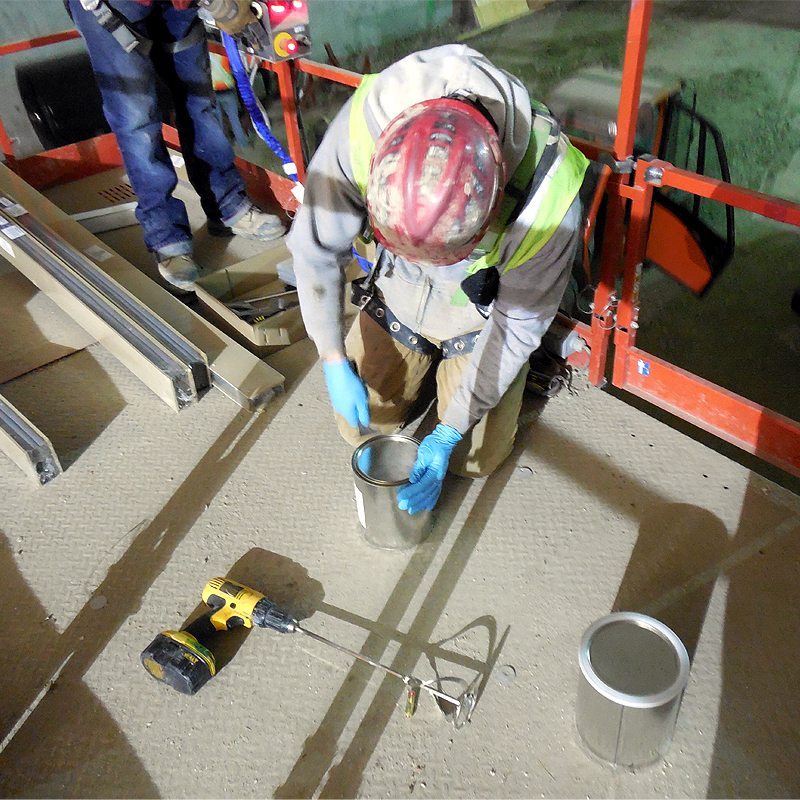
Emseal’s two-part epoxy was opened and mixed.
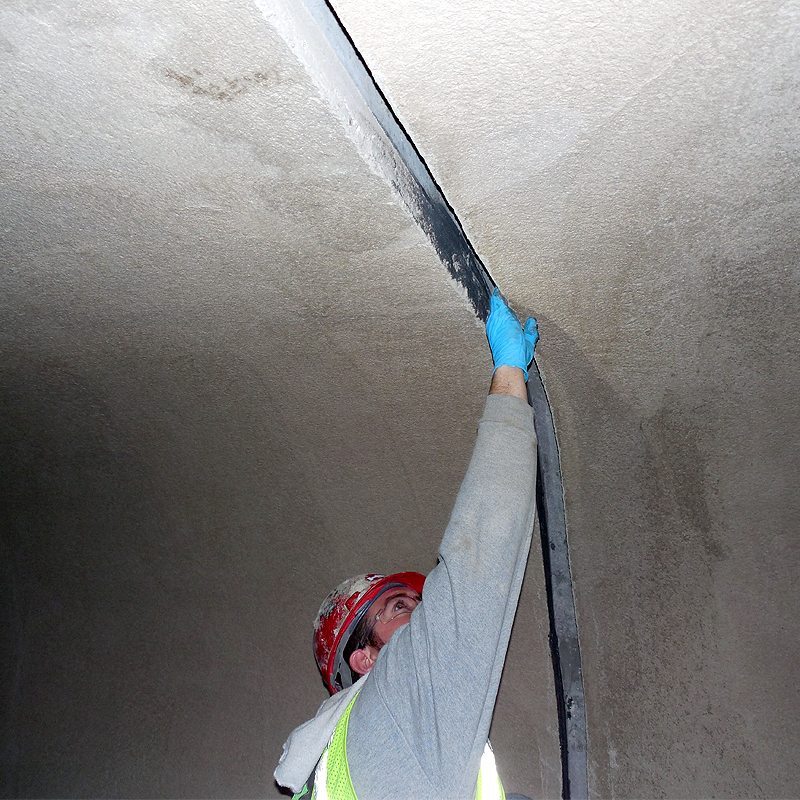
The epoxy was hand-troweled onto the concrete and fireproofing joint faces.
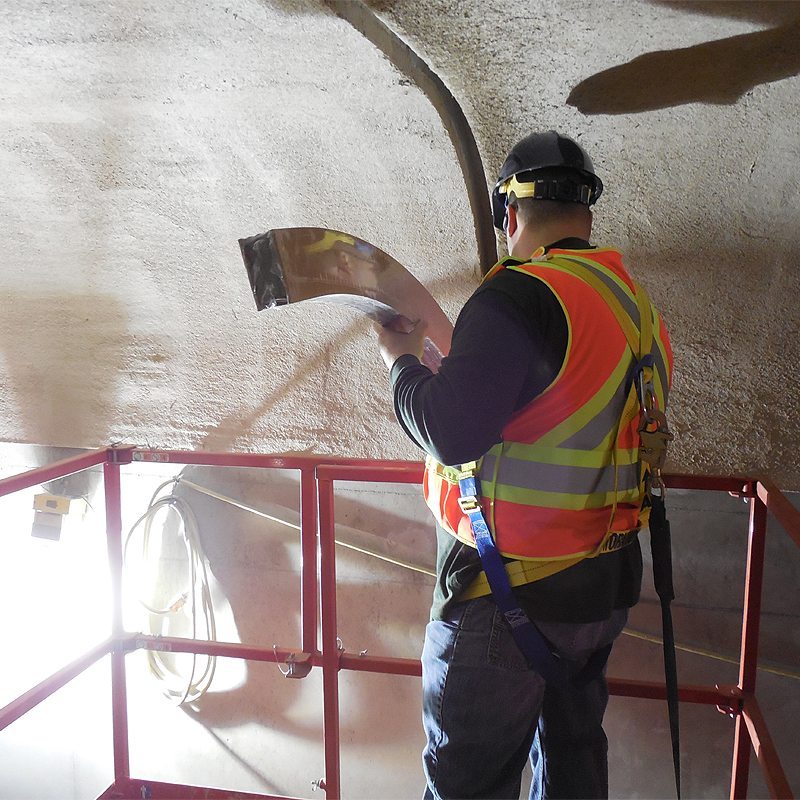
The starting piece, a custom-fabricated curve, was verified against field conditions and checked for length and fit.
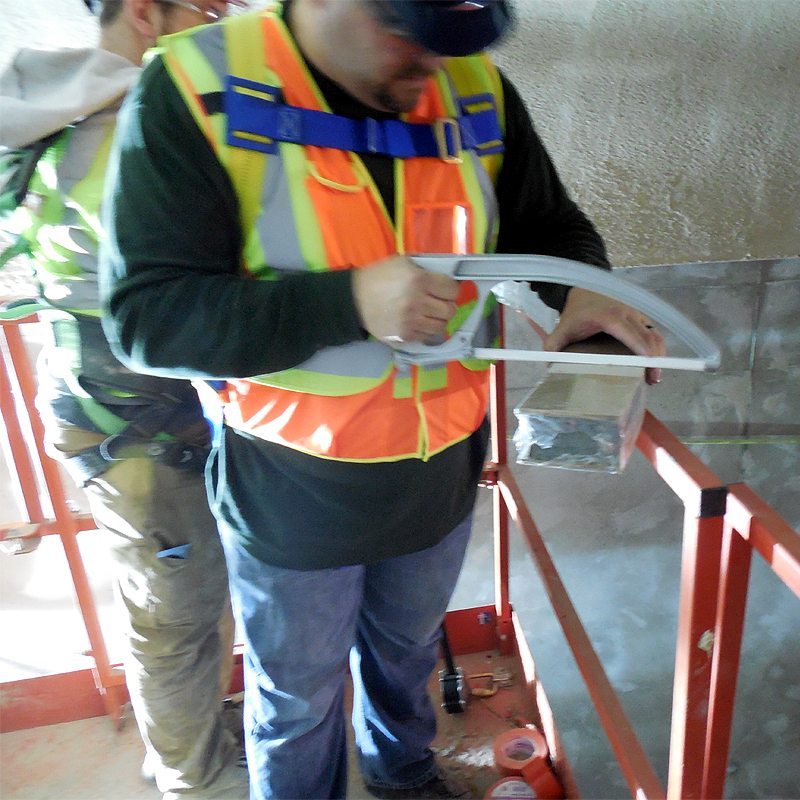
The starting piece was cut to length while still in the restraining shrink-wrap and hardboard packaging.
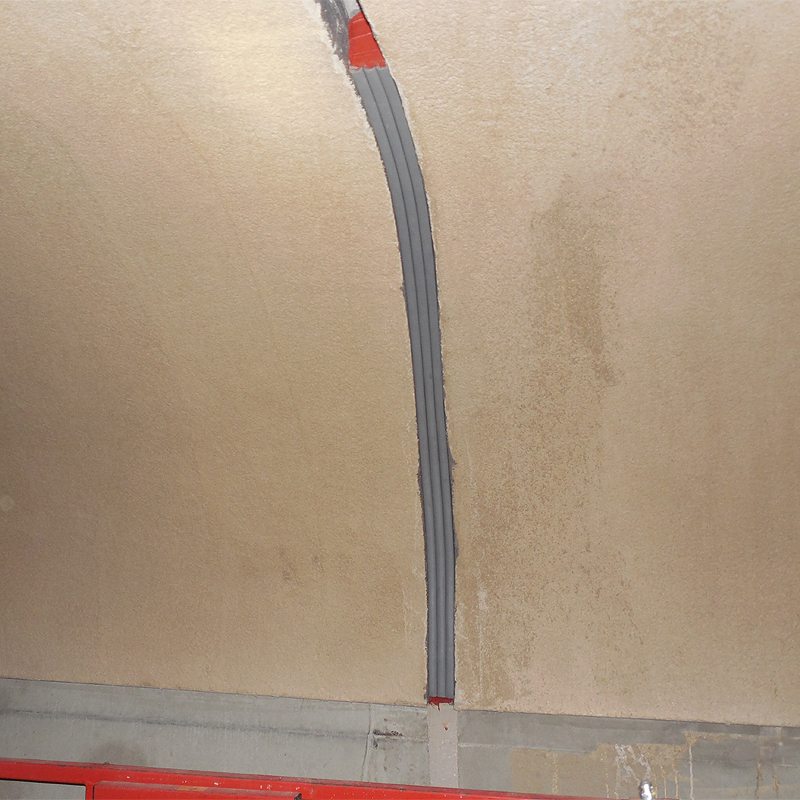
The curved starter piece was installed into the joint. Note the intumescent joining caulk on the face of the Emshield DFR3 foam in anticipation of the next length of material.
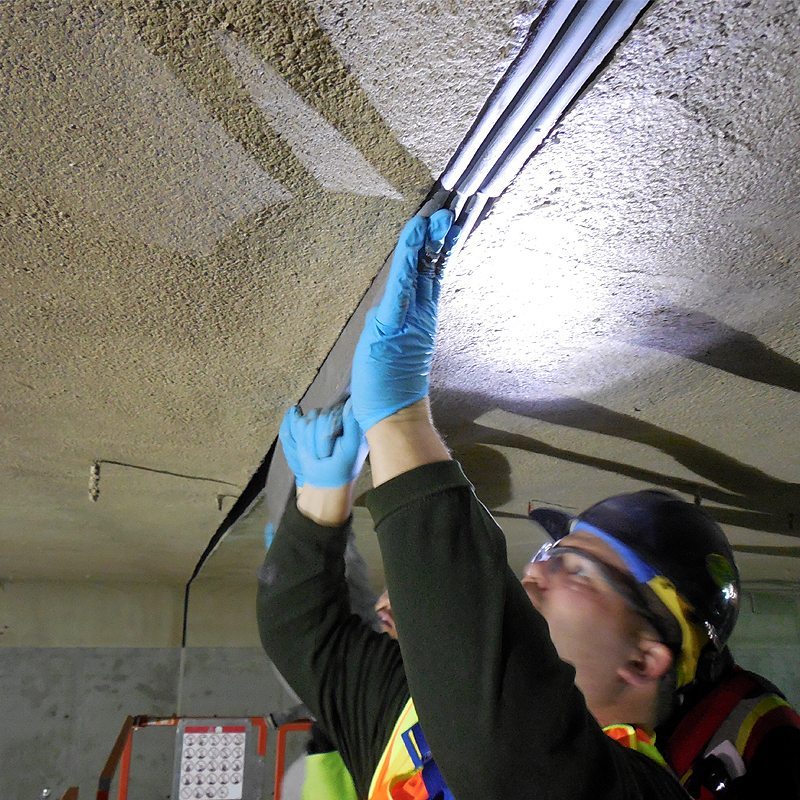
Subsequent straight sections were installed sequentially. Each join between sections used Emseal-supplied intumescent caulk to join the foam core, and Emseal-supplied silicone sealant to connect the silicone bellows.
Once installed, the DFR3-RWS system provided a continuous, RWS-compliant expansion joint, capable of accommodating expected structural movement while maintaining fire resistance.
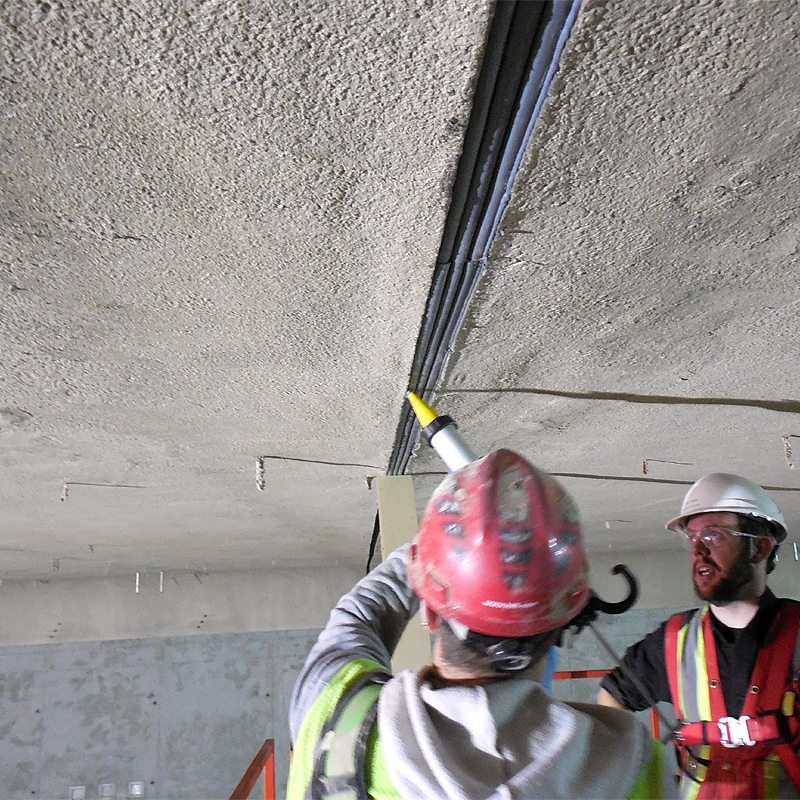
A finishing band of injected liquid silicone sealed the bellows to the surrounding fireproofing substrate.
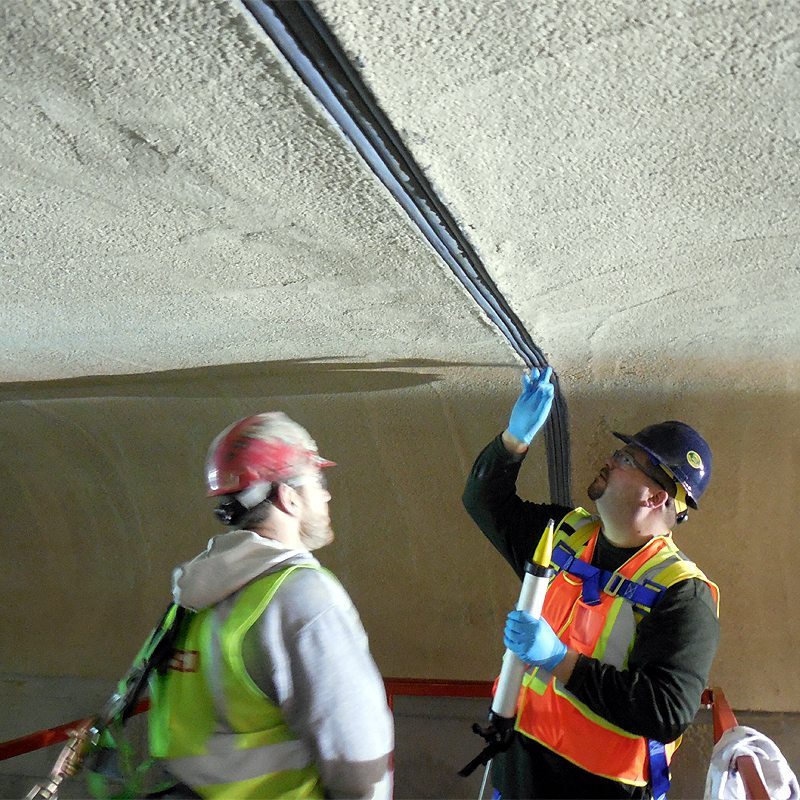
The silicone sealant was tooled to a clean corner bead, completing the installation.
Emseal contributes to the preservation, durability and sustainability of the built environment.
We do so by delivering high value, lowest total cost of ownership, structural expansion joints and pre-compressed sealants that work.
Lasting, expansion joint solutions in airport, mixed-use, retail, office, sports, assembly, convention, casino, resort, healthcare and performing arts venues as well as in retrofit of existing structures is a central focus of EMSEAL’s.
The company’s unique approach to expansion joint treatment combines innovative materials technologies with a fresh look at the roles of owners, designers, general contractors, manufacturers and subcontractors, to achieve trouble-free expansion joints.
The approach is grounded in an integrated, collaborative process centered on joint treatment that requires all of these parties to think, design, detail, specify, construct, fabricate, and install three-dimensional solutions.