|
Project Profiles:
|
Atlantic Station, Atlanta, GA
(Migutan, Thermaflex, Colorseal, Migutrans-new-2004-05)
|
|
Clinton County
Courthouse Ohio (Horiz.Colorseal-retrofit-1992) |
|
Atlanta, GA 2.8 Million Square Foot CONRAC Airport Parking
Facility (SJS, Thermaflex, Migutrans, Seismic Colorseal, Horizontal
Colorseal, DSM System (new-2009) |
|
Keyspan Park, Coney Island Cyclones, NY
(Migutan, Thermaflex, Colorseal-new-2001) |
|
Washington,
DC Convention Center (Twinsert-retrofit-2008)
|
|
EMC2 Corporate Office Building
& Parking Deck (DSM-retrofit-2007) |
|
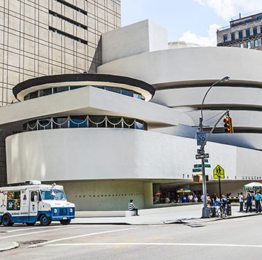
19-year Run at New York City's
Guggenheim,
COLORSEAL a Permanent Exhibit at Historic Landmark Museum |
|
Hilton Boston Logan
(Seismic Colorseal-new-1998) |
|
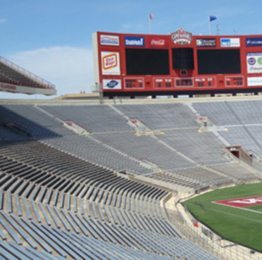
Kinnick Stadium,
U of Iowa, Iowa City, IA
(DSH-retrofit-2006) |
|
Jet Blue Terminal, JFK International Airport, NY, NY
(Migutan-new-2007)
|
|
Lawrence
Municipal Stadium, Lawrence, MA
(Thermaflex-retrofit-2005) |
|
St. Louis
Lambert Field Airport
(Colorseal-retrofit-2000) |
|
Lincoln Performing Arts Center plaza deck expansion joint
retrofit
|
|
Mississauga
Living Arts Center, ON
(Colorseal-retrofit-2000) |
|
Longaberger Basket, Newark, OH (Backerseal-new-1997) |
|
Montana State University Bobcats Stadium (DSM
SYSTEM-retrofit-2011) |
|
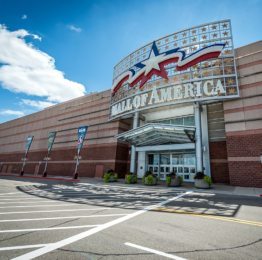
Mall of America
(Backerseal-new-1992) |
|
University of Massachusetts Medical Center, Worcester, MA
(DSM-retrofit-2007) |
|
NY
Mets, Citi Field
(SJS, Colorseal-new-2009)
|
|
Niketown, Newbury Street, Boston, MA
(new-1998) |
|
Orlando International Airport Southwest Terminal, Orlando, FL
(Migutrans-new-2003) |
Green Bay
Packers,
Lambeau Field (DSM, SJS-retrofit-2007-09) |
|
Citizens Bank Philadelphia
Phillies Ballpark
(Thermaflex, Migutan, Colorseal, 20H-new-2004) |
|
President's Plaza, Chicago, IL
(Migutan-retrofit-2001)
|
|
Port Allen Locks, New Orleans, LA (DSM Immersed, retrofit 2009) |
Baltimore
Ravens
M&T Bank Stadium (Thermaflex, Colorseal-new-1998) |
Boston
Red Sox
Fenway Park (Migutan, Colorseal-retrofit-2003) |
|
Precision Living, Senior Living, St. Louis, MO (Seismic Colorseal,
New-to-Existing, 2011) |
|
Kansas City Royals
Kauffman Stadium (Migutrans, Colorseal, Thermaflex-retrofit-2009) |
|
Boston, MA
Prudential Center (SJS-retrofit-2006)
|
|
Washington
Redskins FedEx Field
(Thermaflex-retrofit-2000-05) |
|
Tampa International Airport, FL
(Migutrans-retrofit-2006) |
|
Woodbine Slots, Toronto, ON
(Migutrans-retrofit-2000)
|
|
Zurich Insurance, Baltimore, MD
(Thermaflex-new-2001) |
|
100 Cambridge Street, Boston, MA
(Migutan, Colorseal-new-2003) |
|
300 North Park, Chicago, IL
(Migutan-retrofit-1998) |
|
|
|
Washington, DC--Convention
centers feature traffic that arguably represents the entire world of
products, services and the vehicles that keep them moving. |
 |
|
Structural
expansion joints are design elements necessary for accommodating
movements within buildings. These movements are
caused by thermal changes, wind, dynamic loading and unloading, and
seismic forces.
Because expansion joints
bisect the entire structure, they are essentially a gap through every
element of the building--floors, walls, foundations, roofs, bathrooms,
suites, halls, foyers, lobbies, waterproofing elements, and structural supports. In interiors
joint must withstand traffic from pedestrians and all kinds of wheeled
traffic while at the same time must accommodate joint movement and
traffic.
In convention centers the
diversity of traffic is huge. Carts, hand trucks, forklifts,
maintenance lifts, cars, boat trailers, and even aircraft can be rolled
across the joints.
|
|
Point-loads from small,
hard-wheeled traffic are often the hardest on joints. This is because
localized rolling loads can quickly cause cupping, and bending of
under-designed joint systems and even cracking of adjacent flooring.
Interior joint systems
designed with aesthetics as their primary objective -- featuring pans,
infills, "invisible" designs -- are often chosen without consideration
of their suitability to the loads the joints will experience. |
 |
|
|
|
 |
Fix attempt
number one involved the too often employed approach of covering a bad
joint with a cover plate. While a quick fix, the result however
was a system that sits proud of the floor posing a trip hazard with
little advantage in the ability to handle point-loads.
It was
quickly realized that this was not acceptable and that a flush-mounted
system matched to the anticipated traffic loads was required. |
 |
The
TWINSERT
series of floor joints from EMSEAL combines two of any of EMSEAL's
wide
selection of interior joint products joined with any of a number of bridging
options matched to the load, joint width, and aesthetic goals of the
facility.
In the case of the DC
convention center, experience had taught that load and smooth rolling
surface outweighed in importance the desire to completely hide the joint
under the flooring material.
The
FS 110 system was
selected as the flanking standard model for its smooth rolling surface,
ability to absorb joint movement within the joint as opposed to sliding
over flooring materials, and because of its high point-load resistance.
The bridging unit selected
was solid, 1/2-inch thick Type 6061 aircraft aluminum with a sandblasted
finish. |
 |
|
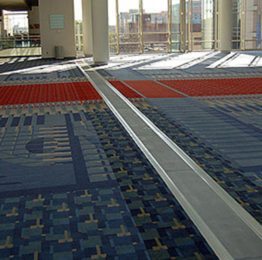
Installed, the FS 110
TWINSERT coordinates well with the aesthetics of the structure while
ensuring that pedestrian, rolling and point load traffic is
accommodated. The retrofit was executed during non-active hours
without the disruption of any events or other revenue-generating
activity. |
 |
|
It is of
course better to start out at new construction with EMSEAL as the basis
of design for joint systems but retrofit is possible, practical and
lasting and can be staged for minimal disruption. Retrofit can
also be phased to suit budget constraints--allowing for gradual upgrade
of all joints over time.
Lasting
expansion joint solutions in sports, assembly, convention and performing
arts venues as well as in retrofit of existing structures is a central
focus of EMSEAL's.
The company's
unique approach to expansion joint treatment
combines innovative materials technologies with a fresh look at the
roles of owners, designers,
general
contractors, manufacturers and subcontractors, in achieving
trouble-free expansion joints.
The approach is grounded
in an integrated, collaborative process centered on joint treatment that requires all
of these parties to
think, design,
detail, specify, construct, fabricate, and install
three-dimensional solutions. |
|